Listeners:
Top listeners:
-
 play_arrow
Listen Live City 105.1 FM #WERUNTHISCITY

Africa Faces $200 Billion Loss Annually Due to Poor Sanitation — World Bank Warns
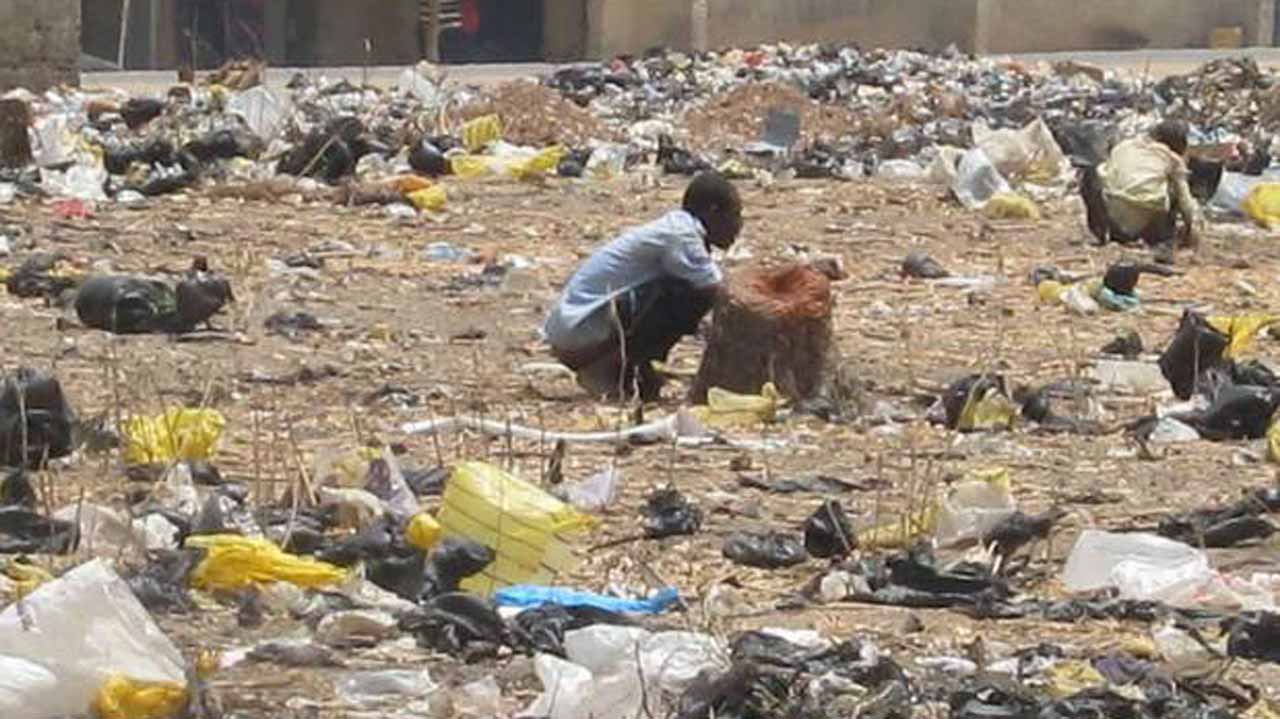
The World Bank has issued a stark warning about the escalating global sanitation crisis, highlighting that nearly 40% of the global population still lacks access to safe sanitation systems. The consequences, it said, are far-reaching — affecting public health, economic development, and environmental sustainability.
In a report titled “The Global Sanitation Crisis: Pathways for Urgent Action,” the World Bank revealed that Africa alone loses an estimated $200 billion each year in potential economic output as a result of poor sanitation infrastructure. The institution stressed that proper investment in water and sanitation could boost the continent’s GDP by up to 5%.
According to the report, inadequate sanitation is one of the most pressing challenges facing the developing world. Globally, over 3.5 billion people lack access to hygienic sanitation facilities. This has fueled the spread of preventable diseases such as diarrhea, typhoid, and cholera, which are major causes of death — particularly among children under five.
Urbanization, Poverty, and Weak Infrastructure
Africa’s situation is made worse by rapid urban growth, widespread poverty, and underdeveloped infrastructure. In many of the continent’s growing urban centers, informal settlements lack proper sewage systems, leading residents to rely on unsafe alternatives that contaminate drinking water sources.
The World Health Organization (WHO) has consistently emphasized that sanitation is not just a health issue — it also affects education and productivity. Children miss school due to illness, and adults are forced out of work, reducing income and economic participation.
Sanitation and the Sustainable Development Goals
Access to clean water and sanitation is at the core of the United Nations Sustainable Development Goal 6, which targets universal access by 2030. But despite global efforts, the pace of progress remains slow. The World Bank report attributes this lag to insufficient funding, weak policy frameworks, and growing climate challenges.
The report warns that the greatest burden is falling on low- and middle-income countries, where a third of urban residents are caught in a “triple trap” — facing poor sanitation, poverty, and vulnerability to climate change.
Climate-related events such as flooding, droughts, and rising sea levels are putting enormous pressure on fragile sanitation systems. These disruptions are causing substantial losses to GDP, especially in countries without resilient infrastructure.
The Economic and Environmental Case for Investment
The World Bank argues that the returns on sanitation investment are substantial. In Africa, for every $1 spent, there is a $7 economic return. With appropriate investment, the continent could generate up to $200 billion in annual economic gains, alongside improved health outcomes and environmental protection.
Better sanitation also plays a critical role in reducing emissions. By treating human waste safely, countries can reduce global methane emissions by up to 10% and ensure cleaner, safer drinking water.
The report draws on examples from India and Brazil, where improved sanitation in schools has led to higher primary school enrollment, particularly among girls, and longer school retention rates.
Call to Action: Resilient, Inclusive Sanitation Needed
The World Bank calls on governments, city planners, service providers, and communities to work together and prioritize sanitation at both local and national levels. It recommends designing systems that are inclusive, climate-resilient, and citywide.
Key actions include:
Increasing policy focus and funding
Developing integrated sanitation services
Encouraging technological innovation and workforce training
Transforming waste into valuable resources, such as energy and clean water, through circular economy approaches.
The report concludes by stressing the urgency of action:
“Achieving climate-resilient urban sanitation is within reach, but it demands immediate and coordinated efforts. Together, we can build systems that protect health, drive prosperity, and safeguard the planet.”
Post comments (0)