Listeners:
Top listeners:
-
 play_arrow
Listen Live City 105.1 FM #WERUNTHISCITY

Nigeria Spends Nearly Half of Its Revenue on Debt – Presidential Tax Reform Panel
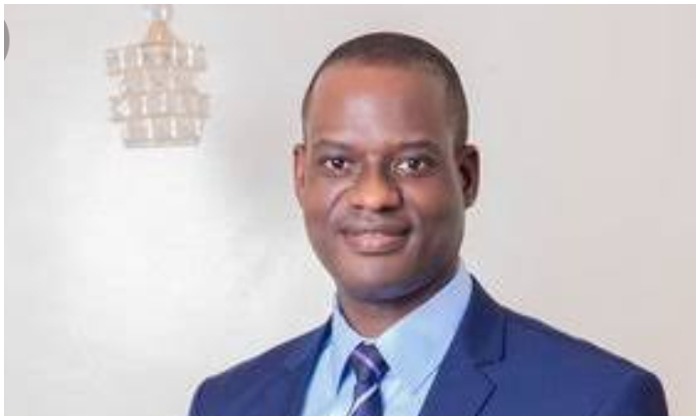
The Chairman of the Presidential Fiscal Policy and Tax Reforms Committee (FPTRC), Taiwo Oyedele, has revealed that Nigeria currently allocates less than 50% of its revenue to debt servicing—a significant improvement from the previous 97% recorded before recent economic reforms.
Speaking as keynote speaker at PwC’s Executive Summit on Nigeria’s Tax Reform in Lagos, themed “The New Tax Era: What Nigeria’s Tax Reform Means to Individuals and Businesses”, Oyedele noted that the government had cleared over $7 billion in unmet forex futures and boosted external reserves from under $4 billion to above $20 billion.
“Budget deficit is shrinking, we are investing more in infrastructure, and tax-to-GDP has improved from below 10% to 13.5% in two years. Debt servicing, which consumed 97% of revenue before, is now under 50%. We no longer print money recklessly; instead, part of previous ways and means borrowings has been repaid,” he said.
Oyedele warned that without reforms, Nigeria’s economy would have collapsed like Zimbabwe and Venezuela. He displayed a 100 trillion Zimbabwean dollar banknote, explaining that at the time of issue, it could barely purchase a loaf of bread.
“Nigeria was heading in that direction. Deficits would have widened, unmet forex obligations would exceed $10bn, and we’d be spending all our revenue on debt servicing. Fuel scarcity would have worsened, poverty would deepen, and inflation would spiral,” he stated.
He argued that if reforms had started a decade ago, Nigeria could have become a $1 trillion economy today, with fuel prices below ₦300 per litre and exchange rates stabilised at around ₦300 per dollar.
Oyedele highlighted how years of excessive subsidies and money printing nearly crippled the country. “We spent trillions subsidising petrol, even using taxes meant for other sectors. When that wasn’t enough, the government printed over ₦30tn. These funds didn’t build roads or power; they paid salaries,” he added.
On tax reforms, Oyedele confirmed that 97% of small informal businesses have been exempted from paying taxes, allowing them to grow, while only the top 3% with sufficient capacity will be taxed. He warned that deliberate underreporting will attract penalties under the new system.
The new tax law, signed by President Bola Tinubu on June 26 and effective from January 1, 2026, introduces major changes, including:
-
Exemption of workers earning below ₦800,000 annually from personal income tax
-
Harmonisation of federal taxes under the Federal Inland Revenue Service (FIRS)
-
Taxation of foreign entities controlled or effectively managed from Nigeria
-
Rules to capture indirect share transfers to curb tax avoidance
Oyedele disclosed that the law’s gazette is being printed in Lagos and will be available soon.
Meanwhile, PwC West Market Area Regional Senior Partner, Sam Abu, described the reforms as a positive start but stressed that policy success depends on collaboration among government, private sector, and stakeholders.
“Policy alone won’t deliver change; partnership and sincerity are key. Businesses need clarity and simpler tax systems to grow,” Abu said.
Similarly, PwC Partner and Tax Leader, Chijioke Uwaegbute, noted that the law also introduces provisions to tax offshore transactions that impact Nigerian entities, aligning with global best practices.
Post comments (0)