Listeners:
Top listeners:
-
 play_arrow
Listen Live City 105.1 FM #WERUNTHISCITY

FG: Skill Gaps, Not Overstaffing, Undermine Civil Service Effectiveness
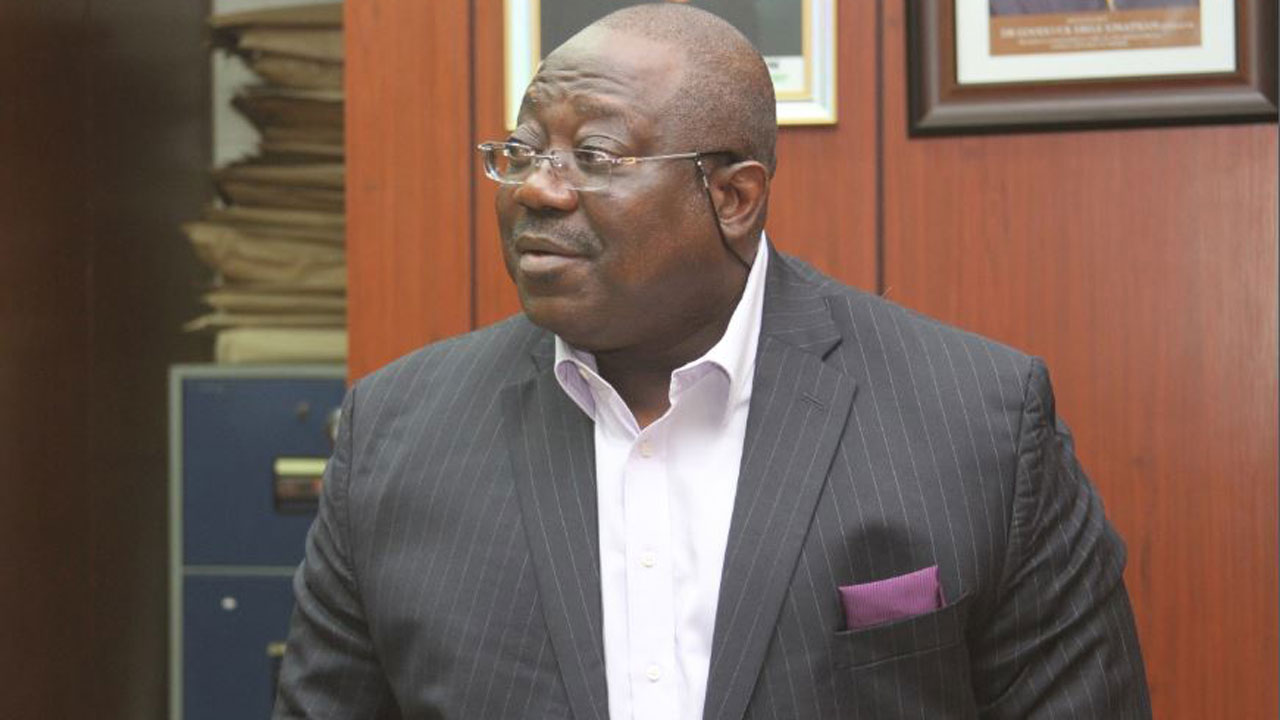
The Federal Government has acknowledged that the pressing issue facing Nigeria’s civil service is not an excess workforce, but rather the mismatch between employees’ skills and the nation’s development needs.
Professor Tunji Olaopa, Chairman of the Federal Civil Service Commission, made this known in Abuja during the launch of the Commission’s maiden strategic plan, unveiled at a retreat held from June 30 to July 2, 2025.
According to Olaopa, while Nigeria’s civil service appears modest in size compared to global standards, many workers lack the modern skills required to support national goals.
“We’re not necessarily overstaffed. The real concern is the presence of redundant staff whose skills are outdated or irrelevant, while roles requiring critical expertise remain unfilled,” he said.
To tackle the issue, Olaopa announced several reforms, including a performance management framework, staff retraining and redeployment initiatives, and incentives for voluntary retirement.
The newly launched 2025–2029 strategic roadmap aims to transform the civil service into a high-performing engine of national growth. It aligns with the Federal Government’s target of growing Nigeria’s economy to $1 trillion by 2030.
Olaopa stressed the need for a forward-looking and digitally enabled civil service that is both accountable and responsive to public sector demands. “We are shifting from being seen as an obstacle to economic development to becoming a key driver of it,” he added.
The reform agenda follows a direct mandate from President Bola Tinubu, who, during the inauguration of the current Commission in December 2023, urged the agency to lead the transformation and digitisation of public service operations to boost private sector participation and economic growth.
As part of the reforms, the Commission has introduced open and merit-based recruitment processes, with vacancies now advertised publicly and applications processed online.
“We are determined to attract the brightest talents and move away from patronage-based appointments,” Olaopa said. He also called on MDAs to embrace a culture of performance, reward excellence, and demand accountability.
“The civil service must be fit for purpose. We are building a workforce that delivers results and drives the economic vision of a $1 trillion Nigeria,” he concluded.
Post comments (0)