Listeners:
Top listeners:
00:00
00:00
volume_up
chevron_left
-
 play_arrow
Listen Live City 105.1 FM #WERUNTHISCITY
Low Funding, Vandalism Cripple TCN’s Power Transmission Efforts
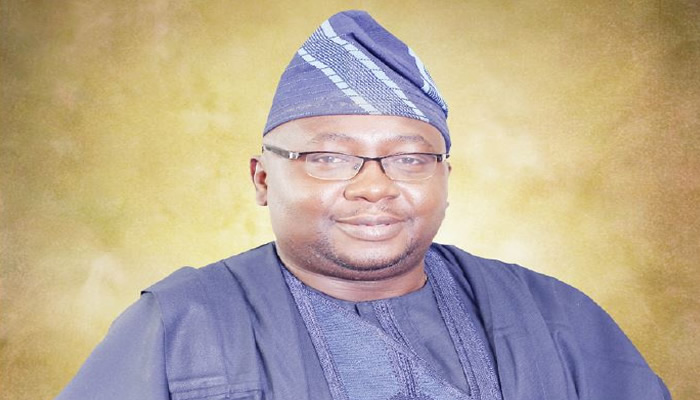
Nigeria’s power transmission system, managed by the Transmission Company of Nigeria (TCN), is facing severe setbacks due to chronic underfunding, widespread vandalism, and regulatory inefficiencies, according to TCN’s Managing Director, Sule Abdulaziz.
🔧 Key Challenges:
1. Vandalism Crisis
- Over 109 transmission towers vandalized between January–March 2025 alone.
- Port Harcourt region suffered most, with 62 towers destroyed in 13 attacks.
- 2024 and 2025 have seen record vandalism cases, leading to extended blackouts.
- TCN is advocating for life imprisonment penalties to deter saboteurs.
2. Ageing Infrastructure
- Substations operate with obsolete transformers and control systems.
- Many transmission lines are overloaded and outdated, causing energy losses.
- These issues are seen as national security threats.
3. Funding Bottlenecks
- Projects stalled due to non-payment by distribution companies (DisCos).
- Legacy projects from 20+ years ago remain incomplete.
- Low-hanging fruit projects—nearly completed—lack budget priority.
4. Lack of Surveillance
- TCN lacks modern tools like drones or helicopters to monitor power lines.
- Surveillance relies on manual patrols, which are ineffective in remote areas.
- Relies on community help and military support as interim security measures.
5. Legal and Regulatory Delays
- Right-of-Way (RoW) disputes with state governments stall project execution.
- Import Duty Exemption Certificate (IDEC) issues delay critical equipment at ports.
- Federal policy coordination is lacking across key sectors and levels of government.
🔄 Recommendations by TCN:
- Enact strict laws (e.g., life imprisonment for vandals).
- Streamline RoW policies to ease land access across all states.
- Accelerate port clearance by improving the IDEC process.
- Prioritize funding for stalled and near-complete transmission projects.
- Equip TCN with surveillance tech to secure power infrastructure.
🛠️ What’s at Stake:
Unless these systemic issues are addressed, grid expansion and national electrification goals will remain unachievable, threatening Nigeria’s economic stability and energy future.
Post comments (0)