Listeners:
Top listeners:
-
 play_arrow
Listen Live City 105.1 FM #WERUNTHISCITY

Did The Weeknd Really Cash Out His Music for $1 Billion? Here’s What’s Actually Happening
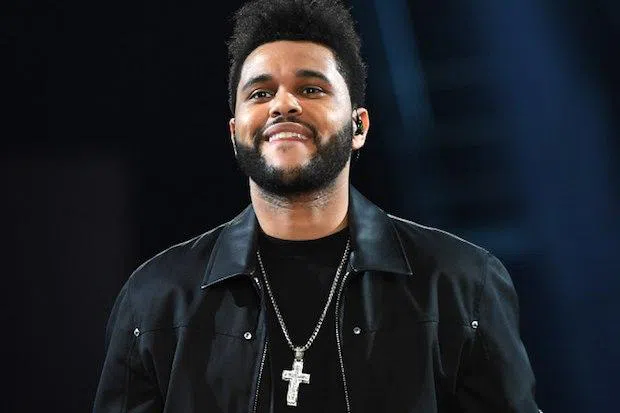
For an artist already sitting at the top of global pop, a $1 billion headline still turns heads. When reports emerged that The Weeknd’s music catalogue had been valued at around $1 billion, many assumed the Canadian superstar had joined the growing list of artists selling off their life’s work for a massive payday.
But the truth is far more strategic — and far more powerful.
So… Did The Weeknd Sell His Catalogue?
Short answer: No, he didn’t sell it outright.
Rather than a traditional catalogue sale, The Weeknd (born Abel Tesfaye) has entered a high-level partnership with investment firm Lyric Capital Group. The deal values his music catalogue — covering his masters and publishing up to 2025 at roughly $1 billion, but crucially, ownership and creative control remain with him.
This move separates him from peers like Justin Bieber and Katy Perry, who sold their catalogues entirely for upfront cash. The Weeknd, on the other hand, chose to bring in a financial partner while staying firmly in control of his legacy.
What the Deal Actually Means
According to industry reports, Lyric Capital has invested heavily in The Weeknd’s existing body of work, but the singer and his team remain shareholders in the catalogue. He still decides how his music is used, marketed, and monetised.
In simple terms:
-
His music reportedly generates about $55 million annually
-
Investors valued it at roughly 18 years’ worth of earnings upfront
-
That maths lands close to the $1 billion valuation
Instead of cashing out, The Weeknd has effectively unlocked the value of his past work while keeping long-term ownership intact.
Why This Deal Is a Big Deal
Billion-dollar music valuations are usually reserved for legendary acts with decades of history think Queen or Michael Jackson. Seeing a still-active artist in his mid-30s enter that financial bracket signals a major shift in how modern superstardom is valued.
It also marks a transition in the industry:
-
From artists selling rights to survive
-
To artists leveraging rights to build power
How The Weeknd Stacks Up Against His Peers
To put things in perspective:
-
Justin Bieber sold his catalogue for about $200 million
-
Katy Perry’s deal reportedly landed around $225 million
-
Taylor Swift spent years fighting to reclaim her masters and eventually bought them back
The Weeknd chose a third route: no sale, no battle just leverage.
Why Investors Are Betting Big on Him
The numbers tell the story:
-
Over 120 million monthly listeners on Spotify
-
“Blinding Lights” is the most-streamed song ever
-
Consistently ranked among the top three global artists
-
His After Hours Till Dawn Tour has now crossed $1 billion in ticket sales, placing him alongside only Taylor Swift and Coldplay in that elite club
Beyond streaming, his dominance on the live circuit selling out stadiums across North America, Europe, and beyond — makes his catalogue one of the safest bets in modern music.
The Bigger Picture
This deal isn’t about walking away from music. It’s about playing the long game.
By partnering instead of selling, The Weeknd now enjoys:
-
Billion-dollar liquidity
-
Continued ownership
-
Full creative freedom
-
Long-term control over his legacy
In an industry where artists often lose the rights to their biggest hits, Abel Tesfaye has flipped the script — proving that modern superstars don’t have to choose between money and control.
Bottom line:
The Weeknd didn’t sell his catalogue.
He weaponised it.
Post comments (0)