Listeners:
Top listeners:
-
 play_arrow
Listen Live City 105.1 FM #WERUNTHISCITY

Lagos, LCCI seek investment for community-owned mini-grids
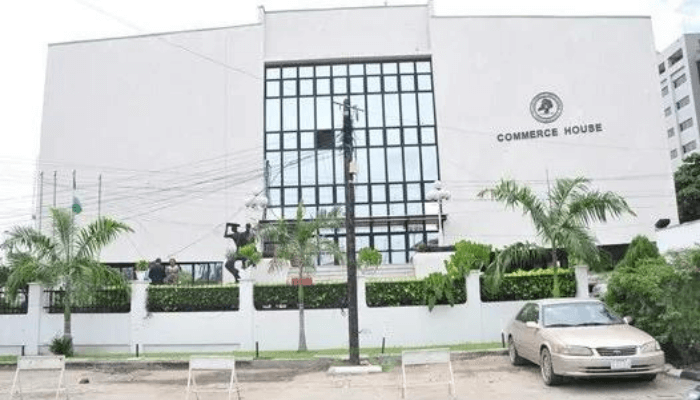
The Lagos State Government and the Lagos Chamber of Commerce and Industry (LCCI) are urging both local and international investors to channel more funds into Nigeria’s power sector, particularly to support decentralised, community-owned mini-grids and other alternative energy solutions.
This call was made at the LCCI Power Sector Conference in Lagos on Wednesday, where industry leaders warned that decentralisation under the Electricity Act would not succeed without substantial capital injection into new infrastructure and the overhaul of existing systems.
Representing the Lagos State Commissioner for Energy and Mineral Resources, Biodun Ogunleye, the Chief Technical Officer, Ogunade Hamed, said Nigeria had reached “a defining moment” in its energy transition. He noted that while Lagos had made early moves to build a decentralised power market, the scale of investment required to modernise the sector remained enormous.
“Our distribution and transmission networks need extensive upgrades and smarter management. We cannot continue relying on infrastructure built for a much smaller population and an economy that no longer exists,” he said.
Ogunleye highlighted Lagos’ ongoing reforms, including the Lagos Electricity Law, the establishment of the state’s Electricity Regulatory Commission, and its Integrated Resource Plan. He also outlined active initiatives such as embedded generation for industrial clusters, solar retrofits for over 42,000 streetlights, and policies supporting mini-grids and hybrid energy systems.
Despite these efforts, he stressed that decentralisation cannot succeed without strong partnerships, saying no state can develop an efficient electricity market in isolation.
LCCI Power Sector Group Chairman, Olufemi Bakare, echoed this warning. He described Nigeria’s current journey toward sustainable power as a “critical juncture,” noting that decentralisation will fall short if the country does not resolve long-standing infrastructure challenges.
Bakare acknowledged improvements in power generation but said transmission and distribution gaps continue to limit progress. He argued that Nigeria must intensify efforts to attract new investors, boost competition, and guarantee energy security for households and businesses.
LCCI President, Gabriel Idahosa, added that while decentralisation offers new opportunities, it has also revealed weaknesses across the power value chain—from regulation and data management to off-grid investment.
“Nigeria’s industrial future depends on reliable electricity. Our businesses cannot grow, and our digital aspirations cannot flourish without stable power,” he said.
Idahosa called for unified standards, clearer regulations, and policies that encourage private sector participation, insisting that investors are willing to commit funds if the environment is consistent and transparent.
The conference, themed Infrastructure Optimisation and Challenges in the Power Sector Amidst Current Decentralisation Efforts, brought together policymakers, investors and operators who reviewed Nigeria’s preparedness for decentralised electricity markets and the scale of investment required to support them.
Post comments (0)