Listeners:
Top listeners:
-
 play_arrow
Listen Live City 105.1 FM #WERUNTHISCITY

Lagos Enforce Okada Ban Statewide
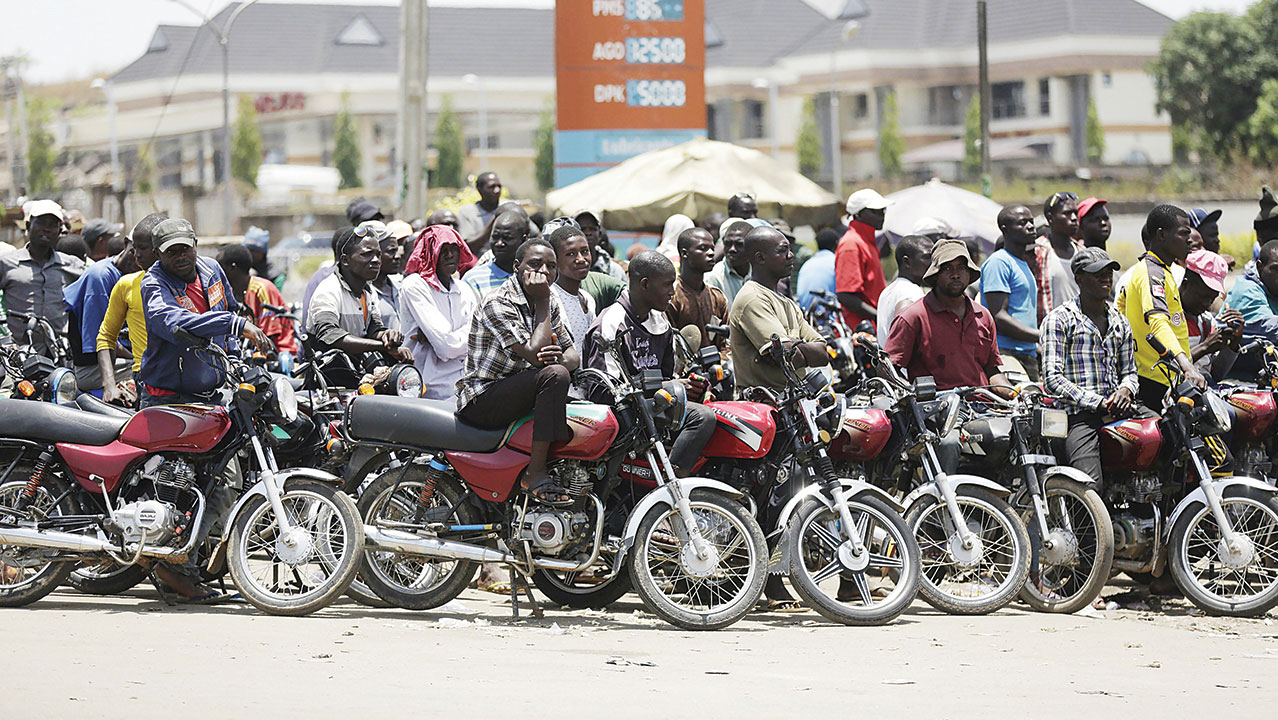
For nearly two decades, successive Lagos State governments have waged a relentless battle against commercial motorcycle operators, popularly called okada, over their disregard for safety rules and route restrictions. Despite repeated crackdowns, seizures, and arrests, defiance persists. It is time for a decisive, statewide ban.
In August, the state’s task force, led by Adetayo Akerele, impounded 668 motorcycles and arrested seven suspects during week-long operations in trouble-prone areas such as Ishaga, Ijegun, Iyana-Iba, Iyana-Ishasi, and the Lagos-Badagry Expressway. These areas were flagged after reports linked okada riders to night-time robberies, violent attacks on tricycle operators, and harassment of commuters.
Beyond crime, okada riders have become synonymous with lawlessness — riding against traffic, ignoring traffic lights, and endangering lives on highways. Their recklessness has led to countless avoidable accidents, overwhelming hospitals such as the National Orthopaedic Hospital, Igbobi, which at one point created a dedicated “okada ward.” Between 2016 and 2019 alone, Lagos recorded over 10,000 okada and tricycle-related accidents, leaving more than 600 people dead.
This crisis is not new. Restrictions began in 2006 with a night-time ban, followed by Governor Babatunde Fashola’s 2012 Lagos State Road Traffic Law, which barred motorcycles below 200cc from major highways. Further reforms under the Lagos State Transport Sector Reform Law 2018 criminalised okada and tricycle use on highways, with violators facing three-year jail terms and forfeiture of their vehicles. In 2020, the state banned them from six local governments, nine LCDAs, 10 highways, and 40 bridges and flyovers. Yet, enforcement has been patchy.
Governor Babajide Sanwo-Olu has repeatedly reaffirmed the ban, with periodic enforcement raids. But piecemeal crackdowns only encourage operators to resurface in banned areas. A fragmented approach cannot work; only a total, consistent, and statewide enforcement will restore order.
Still, any ban must be paired with alternatives. Commercial motorcycles and tricycles thrive because they fill critical transport gaps. The government must scale up buses, rail, and ferry systems, while working with private partners to expand affordable options. Rider retraining and integration into new economic opportunities will also be essential to prevent unrest.
Lagos cannot continue to gamble with lives. The evidence is clear: okadas and kekes pose grave risks to road safety and security. The government must enforce its own laws across the state without compromise.
The safety of Lagosians must come first.
Post comments (0)