Listeners:
Top listeners:
-
 play_arrow
Listen Live City 105.1 FM #WERUNTHISCITY
Sick and Stranded: Tinubu’s Drug Price Order Yet to Ease Nigerians’ Burden
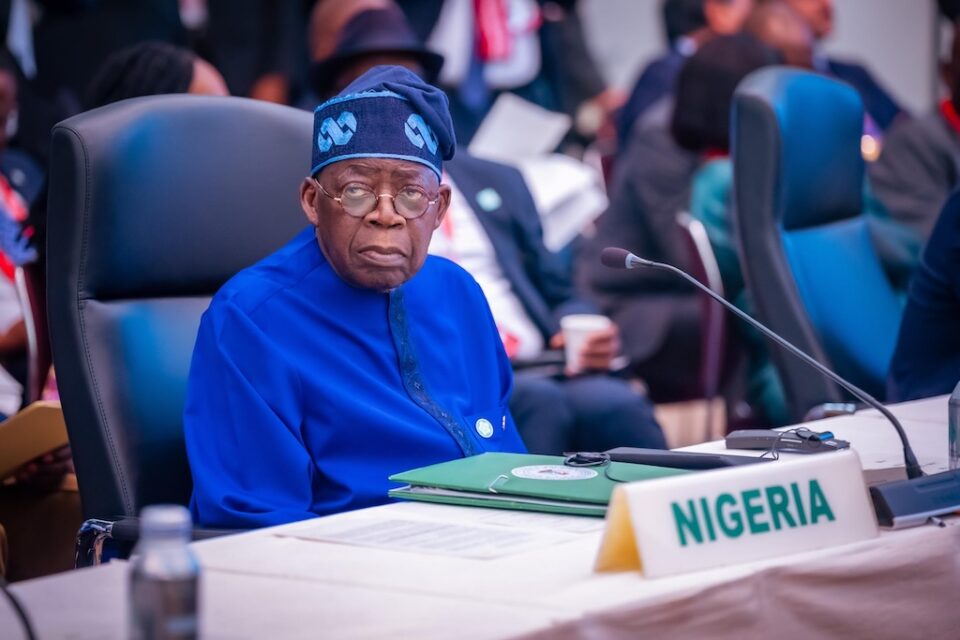
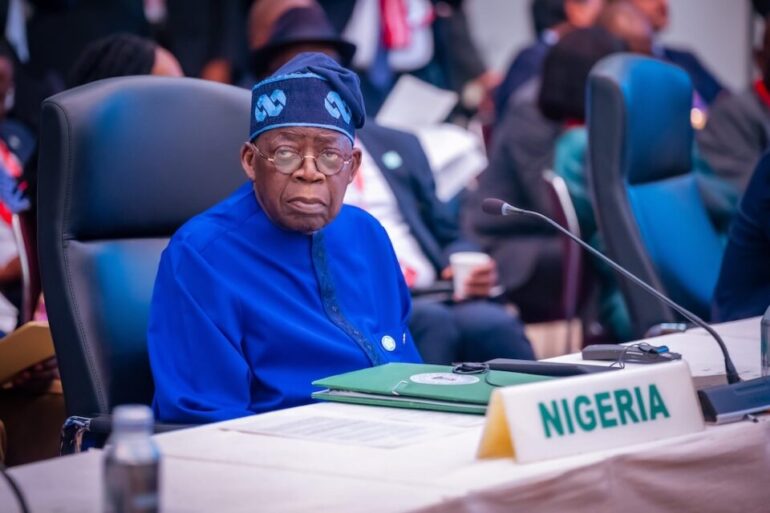
Over a year after President Bola Tinubu signed an executive order to slash drug costs, Nigerians are still paying more for life-saving medicines, with prices rising by as much as 100 percent despite government promises of relief.
The directive, issued in June 2024, removed tariffs, excise duties, and Value Added Tax (VAT) on pharmaceutical machinery and raw materials. It was meant to lower production costs, boost local manufacturing, and make essential medicines more affordable.
At the time, Coordinating Minister of Health and Social Welfare, Muhammad Pate, announced on X that the order introduced zero tariffs on items such as Active Pharmaceutical Ingredients (APIs), excipients, syringes, needles, insecticide-treated nets, and diagnostic kits. He said the policy also mandated collaboration between the ministries of Health, Finance, and Trade to fast-track approvals and eliminate bottlenecks.
The Nigeria Customs Service (NCS) confirmed in March 2025 that it had begun enforcing the order, granting two-year tax exemptions on critical inputs for drug production. “This measure ensures that the benefits directly support legitimate manufacturers committed to strengthening Nigeria’s healthcare infrastructure,” NCS spokesperson Abdullahi Maiwada said.
But despite these assurances, drug prices have continued to spiral.
Soaring costs despite policy
Market surveys comparing June 2024 prices with August 2025 figures show that most essential medicines now cost significantly more.
-
Insulin climbed 29 percent, from ₦14,000 to ₦18,000.
-
A glucometer spiked 41 percent, from ₦20,500 to ₦29,000.
-
Metformin, used for diabetes, rose 30 percent, from ₦500 to ₦650.
-
Amlodipine for hypertension jumped 33 percent, from ₦1,800 to ₦2,400.
-
Exforge, another hypertension drug, almost doubled, surging 83 percent from ₦32,800 to ₦60,000.
For malaria treatment, the situation is even worse. Coartem shot up 124 percent from ₦3,800 to ₦8,500, Artesunate injection rose 56 percent from ₦1,600 to ₦2,500, while Lokmal more than doubled from ₦1,200 to ₦2,450.
Only a handful of drugs bucked the trend: Augmentin dropped by 24 percent (₦18,500 to ₦14,000), and Ventolin inhaler dipped slightly by 12 percent (₦8,500 to ₦7,500).
Policy on paper, pain in reality
Health experts say the gap between policy and practice has left patients stranded. While the executive order set out bold targets, implementation has been slow, and the benefits are yet to filter down to ordinary Nigerians.
For millions battling chronic illnesses like diabetes, hypertension, and malaria, the promise of cheaper medicines remains out of reach. Instead, rising costs are compounding the wider economic hardship facing households.
Tinubu’s order may have cleared the path for affordability, but for now, Nigerians are still paying the price.
Post comments (0)