Listeners:
Top listeners:
-
 play_arrow
Listen Live City 105.1 FM #WERUNTHISCITY
FG Projects N796bn Annual Revenue from 5% Fuel Surcharge, Faces Public Backlash
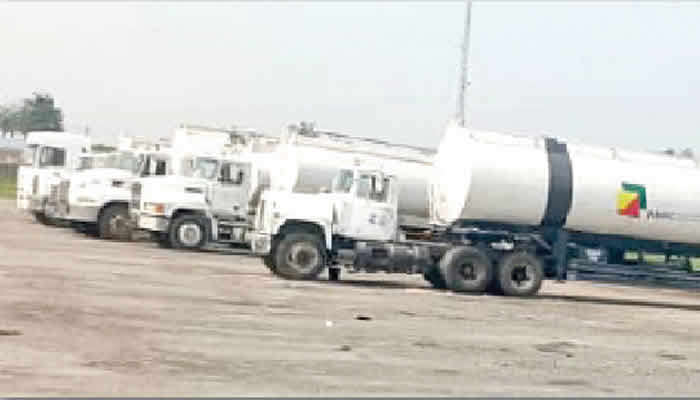
The Federal Government is expected to generate approximately ₦796 billion annually from a newly introduced five per cent surcharge on both locally refined and imported petrol, as stipulated in the Nigeria Tax Administration Act, which takes effect from January 1, 2026.
The surcharge, part of President Bola Tinubu’s broader tax reform strategy signed into law on June 26, 2025, is aimed at boosting non-oil revenue and ensuring fiscal sustainability in the face of mounting debt and past subsidy expenditures.
Despite its revenue potential, the move has sparked criticism from consumers and stakeholders who argue that it contradicts the government’s prior removal of fuel subsidies. Many have described it as a harsh economic burden given the current inflation and cost-of-living crisis.
Surcharge Breakdown
According to data from the Nigerian Midstream and Downstream Petroleum Regulatory Authority (NMDPRA), petrol consumption in 2024 stood at 18.75 billion litres. At an average pump price of ₦850 per litre, this consumption equates to about ₦15.93 trillion. The proposed five per cent surcharge on this figure would yield roughly ₦796 billion from petrol alone — not including other fossil fuel products like diesel and aviation fuel.
The Act defines chargeable fossil fuels to include petrol, diesel, aviation fuel, and kerosene. However, it exempts clean and renewable energy sources, household kerosene, cooking gas, and Compressed Natural Gas (CNG).
According to the legislation, the surcharge is to be calculated based on the retail price at the point of sale, supply, or payment — whichever occurs first. The Federal Inland Revenue Service (FIRS), to be renamed the Nigeria Revenue Service by 2026, will oversee monthly collections and issue regulations for implementation.
The law notes:
“A surcharge is imposed at five per cent on chargeable fossil fuel products provided or produced in Nigeria and shall be collected at the time a chargeable transaction occurs.”
The actual implementation date will be determined by the Minister of Finance, Wale Edun, through a formal order published in the official gazette.
Public Reaction and Opposition
The proposed surcharge has met resistance from transport operators, civil society groups, and consumer advocates, who warn of its potential to further increase pump prices and deepen economic hardship.
Akintade Abiodun, National Chairman of the Joint Drivers Welfare Association, criticised the policy, accusing the government of using citizens as “lab rats” for economically insensitive policies.
Similarly, the Association of Nigerian Refineries Petroleum Marketers expressed concerns during a press briefing. Its Board of Trustees Chairman, Usman Ali, acknowledged the inefficiencies of the former subsidy regime but called for transparency, digital monitoring, and proper oversight before introducing any new financial burdens.
While the group supports infrastructure improvements, it urged the government to tie the surcharge directly to visible road projects to justify the added cost.
Jackson Omenazu, Chancellor of the International Society for Social Justice and Human Rights, condemned the policy as anti-poor and warned that public patience is wearing thin.
“You cannot increase your own allowances and at the same time impose policies that crush the people,” he said. “This is not sustainable governance.”
As debate continues, the success and public acceptance of the surcharge will depend on whether the government can demonstrate transparent use of the funds and a tangible improvement in national infrastructure.
Post comments (0)