Listeners:
Top listeners:
-
 play_arrow
Listen Live City 105.1 FM #WERUNTHISCITY

Meta Cracks Down on Fake Profiles, Deletes 10 Million Accounts
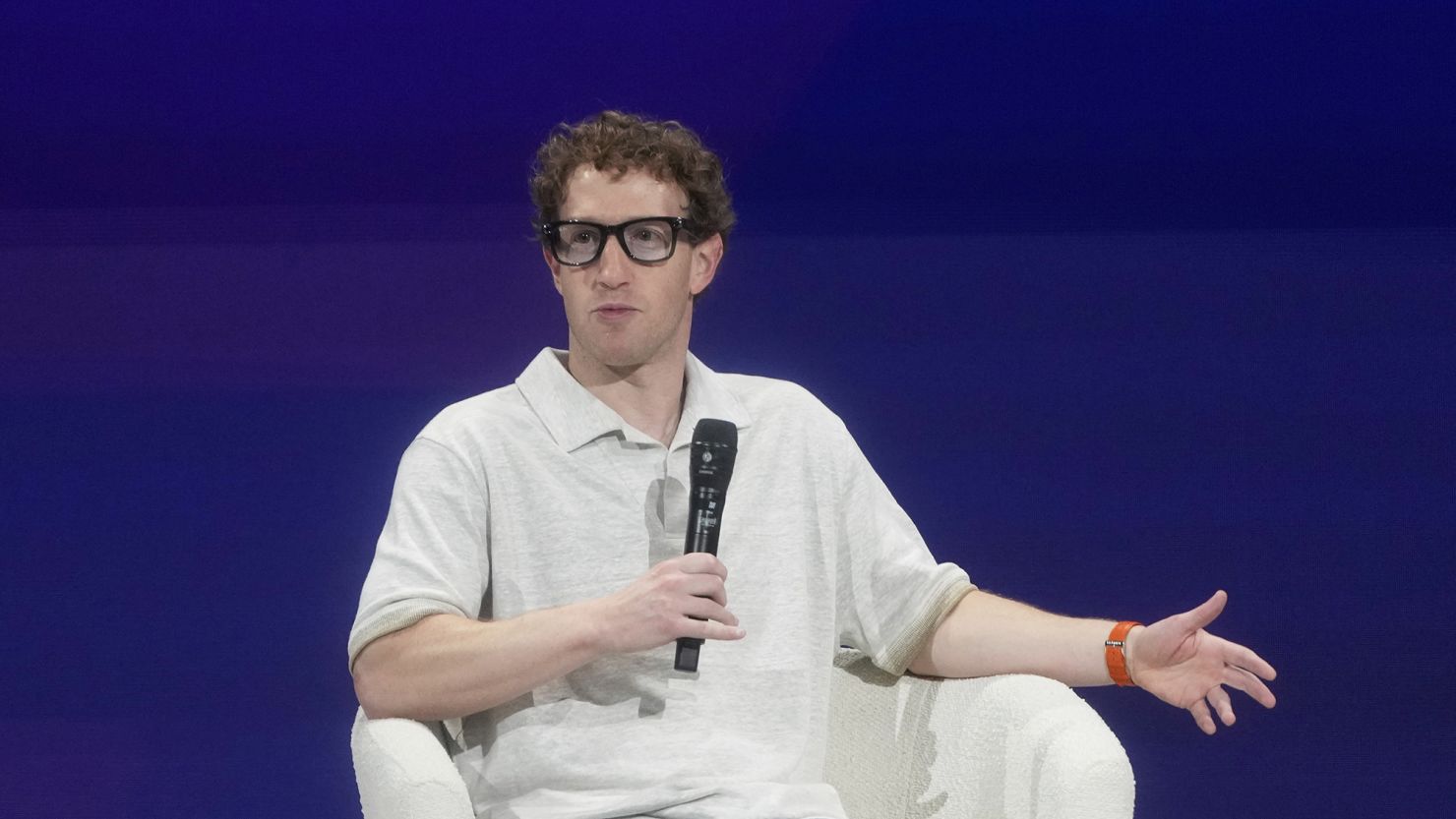
Meta, the parent company of Facebook, has intensified its campaign against inauthentic activity, removing over 10 million fake profiles and 500,000 spam accounts in the first half of 2025.
The crackdown is part of Meta’s broader effort to curb impersonation, copycat content, and fake engagement, ensuring that genuine creators gain more visibility on the platform.
According to the company, accounts that repeatedly recycle content without meaningful edits or permissions will lose monetization privileges and face reduced distribution on feeds.
“We’re making progress. Between January and June 2025, we disabled around 500,000 accounts linked to spam and fake engagement and removed about 10 million profiles impersonating popular creators,” Meta said in a statement on Monday.
The company noted that unoriginal content—such as reposted videos, images, or text—undermines authentic voices, making it harder for fresh creators to thrive. To tackle this, Meta is rolling out tools to trace duplicate content back to the original source, ensuring rightful creators get proper credit.
New Penalties and Features for Creators
Meta emphasized that pages posting mostly original content will enjoy greater reach. Simply stitching together clips or adding watermarks will no longer qualify as significant edits. Sharing content with third-party watermarks could also lead to penalties, including loss of monetization.
To help creators track performance and compliance, Meta has introduced post-level insights in its Professional Dashboard and expanded its Support Home screen to alert users about possible restrictions.
YouTube Joins the Push
In a similar move, Google’s YouTube has announced that mass-produced or repetitive content will no longer be eligible for ad revenue. The update initially sparked concerns among users about restrictions on AI-generated content, but YouTube clarified:
“We welcome creators using AI tools to enhance their storytelling. Such channels remain eligible to monetize,” the company said.
Both Meta and YouTube describe these measures as part of a wider industry shift to maintain content quality and protect creators in an evolving digital ecosystem.
Post comments (0)